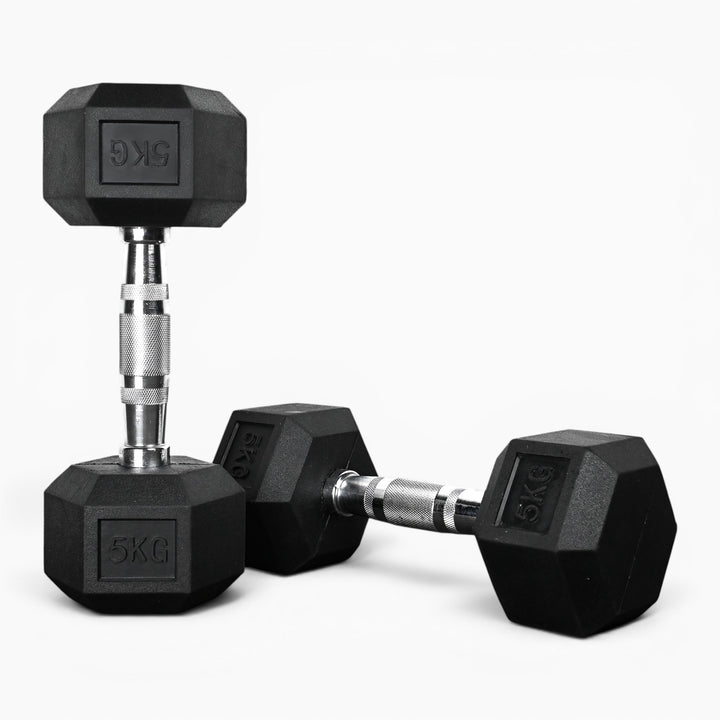
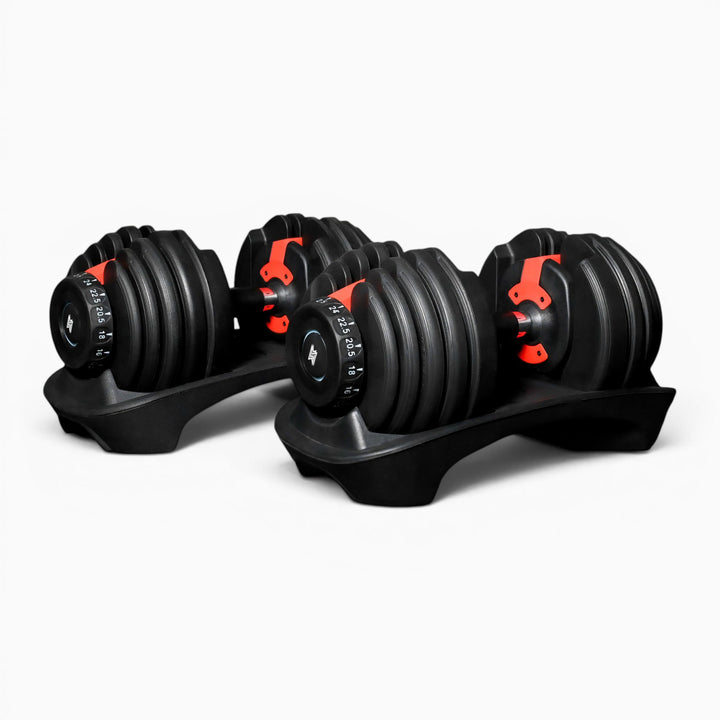
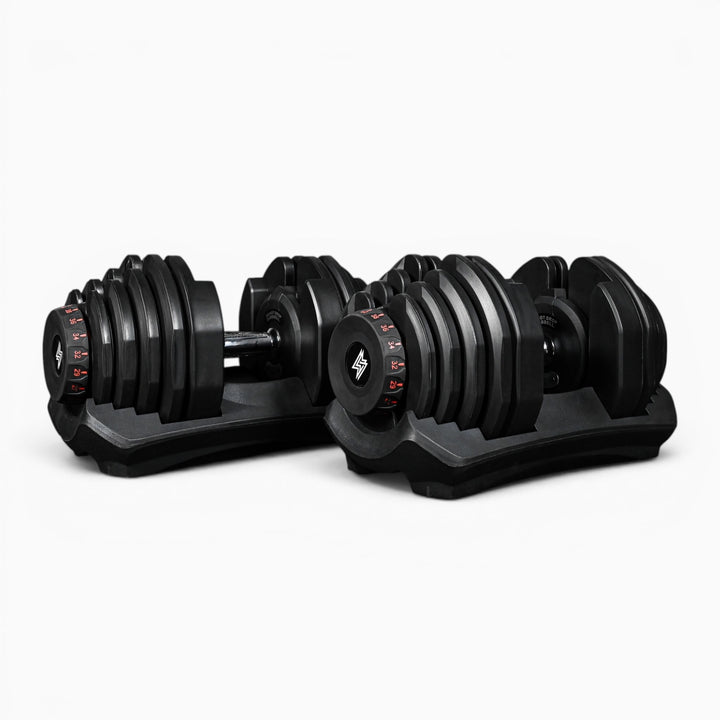


If you have an adjustable dumbbell at home, you might be wondering how many exercises you can actually do with just one piece of equipment. Beyond simple curls and shoulder presses, dumbbells can also be used for movements that help develop a stronger and more defined back.
Even if you don't have access to a complete gym setup, you can still work on your upper-body strength using simple equipment and the right techniques. One exercise worth adding to your routine is the dumbbell row.
In this guide, we'll discuss dumbbell rows muscles worked, how to perform a dumbbell row correctly, common mistakes to avoid and variations to help you get the most out of this exercise.
What Are Dumbbell Rows?
Dumbbell rows are a compound strength exercise that involves pulling weights towards your torso while leaning forward. Primarily targeting the upper and middle back, the movement also works the rear deltoids and biceps.
As a horizontal pulling exercise, dumbbell rows help build back strength and improve posture. Regular practice also develops upper-body pulling strength, making them one of the best dumbbell exercise options for back training.
What Muscles Do Dumbbell Rows Work?
Dumbbell rows primarily target the latissimus dorsi, rhomboids and trapezius muscles. Several supporting muscles also contribute to the movement, helping control the weights and stabilise the upper body.

Primary Muscles Worked
- Latissimus Dorsi (Lats): Large muscles running along the sides of your back that pull your upper arms towards your torso and contribute to back width.
- Trapezius (Traps): Muscles across your upper and middle back that help control shoulder blade movement and stability.
- Rhomboids: Muscles between your shoulder blades that draw them together as you pull the dumbbells towards your body.
- Posterior Deltoids: Muscles at the back of your shoulders that assist with pulling your upper arms backwards.
Secondary and Stabilising Muscles
- Biceps Brachii and Forearms: Assist with bending your elbows and gripping the dumbbells throughout the movement.
- Rotator Cuffs and Teres Major: Help stabilise the shoulder joint and support controlled arm movement.
- Core and Erector Spinae: Work together to stabilise your torso and prevent unwanted twisting or excessive arching.
- Glutes and Hamstrings: Help support your hips and maintain a stable bent-over position during unsupported variations.
Understanding which muscles are involved can help you maintain better technique and focus on the correct movement during your workout.
How to Do Dumbbell Rows Correctly
A strong dumbbell row starts with a stable stance and a controlled pulling motion. Follow the steps below to perform the exercise with proper technique.


Complete your repetitions on one side before switching arms. Aim for a smooth, controlled movement rather than lifting the heaviest weight possible.
Common Dumbbell Row Mistakes to Avoid
Maintaining proper dumbbell rows form can help prevent unnecessary strain and improve muscle engagement. Here are some mistakes to watch out for and simple ways to correct them.
| Common Mistake | Why It Affects Your Form | How to Correct It |
| Rounding Your Back | Puts unnecessary pressure on your lower back. | Maintain a neutral spine and engage your core. |
| Twisting Your Torso | Reduces stability and can cause uneven movement between both sides. | Keep your hips and shoulders facing the floor. |
| Using Momentum | Makes it harder to control the dumbbell and engage your back muscles. | Reduce the weight and perform slower repetitions. |
| Shrugging Your Shoulders | Creates unnecessary tension around your neck and upper traps. | Keep your shoulders away from your ears during the pull. |
| Lowering The Weight Too Quickly | Limits control during the lowering phase and reduces muscle tension. | Extend your arm gradually and resist the weight on its way down. |
Dumbbell Row Variations
Dumbbell rows can be performed in different positions to introduce variety into your back workouts. Some variations provide additional support, while others require greater core stability and coordination.
| Variation | Equipment Needed | Difficulty | Main Training Demand |
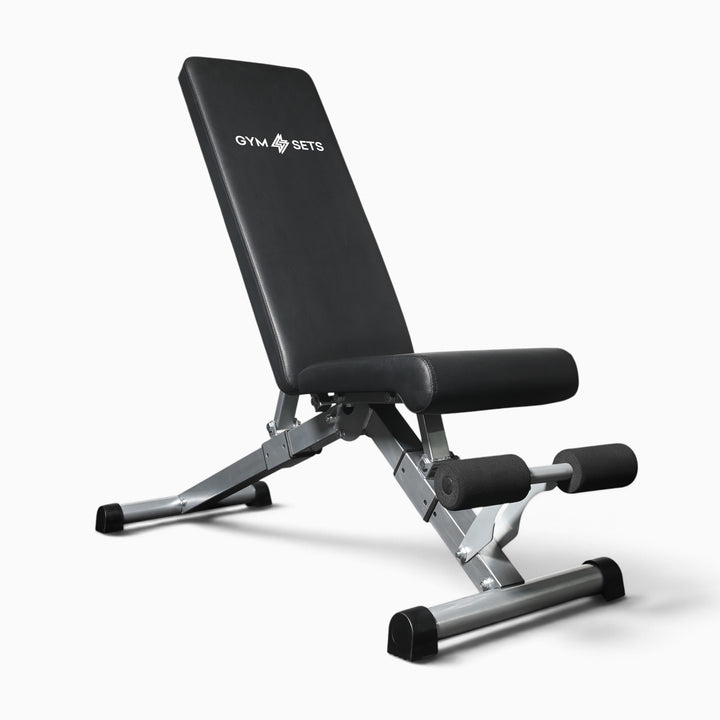
| Single-Arm Row | Dumbbell, flat bench | Beginner | Unilateral control |
| Two-Arm Row | Two dumbbells | Intermediate | Bilateral pulling |
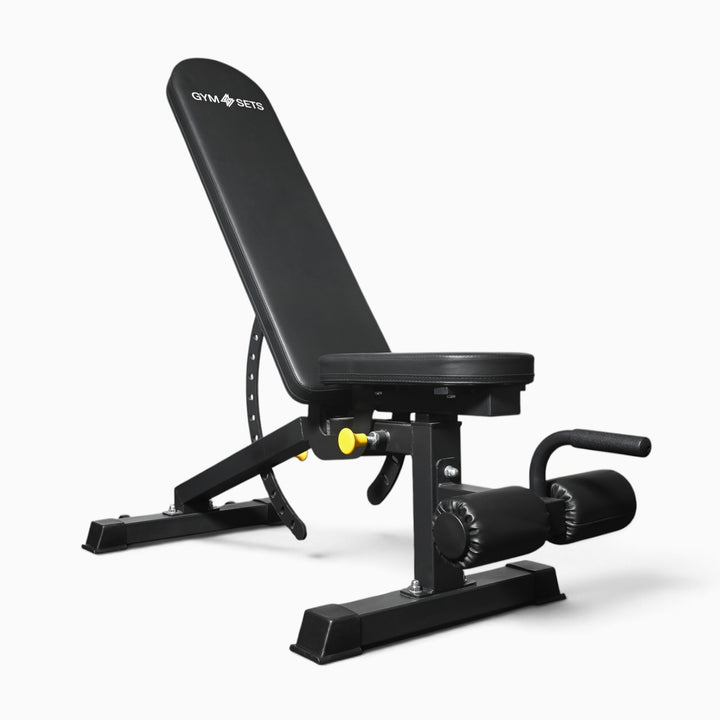
| Incline row | Dumbbells, incline bench | Beginner to intermediate | Supported resistance |
| Kroc row | Heavy dumbbell, stable support | Advanced | High-repetition loading |
| Renegade Row | Two dumbbells | Advanced | Anti-rotation stability |


How Many Sets and Reps Should You Do?
Dumbbell row training volume should match your current strength and experience. Proper technique and consistent movement are more important than lifting heavier weights before you are ready.
Beginner recommendation:
- Sets: 2–3
- Reps: 8–12 per arm
- Rest: 60–90 seconds between sets
Start with a dumbbell weight that feels manageable while providing enough resistance towards the end of a set. Maintain a stable back position and avoid swinging your torso or relying on momentum.
Gradually increase the difficulty as your strength improves:
- Increase repetitions: Add more reps while maintaining proper form.
- Add sets: Increase your training volume as your current workload becomes manageable.
- Increase resistance: Move to heavier dumbbells when the current weight feels too light.
- Improve control: Focus on smooth lifting and lowering movements.
Adjustable dumbbells are a practical option for gradual progression because they allow you to increase resistance as your strength develops.
Frequently Asked Questions
Find more useful information in the following questions and answers.
Are dumbbell rows good for beginners?
Yes, dumbbell rows are great for beginners because they build back strength and improve posture. Using lighter weights and a bench for support makes the movement easier to control while helping maintain proper form.
Do dumbbell rows work your biceps?
Yes, dumbbell rows engage the biceps as secondary muscles while primarily targeting the back. During each repetition, the biceps help bend the elbows as the dumbbell moves towards the torso.
Can you do dumbbell rows without a bench?
Yes, you can perform dumbbell rows without a bench by using a sturdy chair or your thigh for support. Standing dumbbell rows and renegade rows are also good alternatives for training your back with minimal equipment.
Are dumbbell rows better than barbell rows?
Neither exercise is necessarily better, as dumbbell rows help improve muscle balance, while barbell rows allow heavier lifting for overall back strength. Both are effective options depending on your fitness goals and available equipment.


